
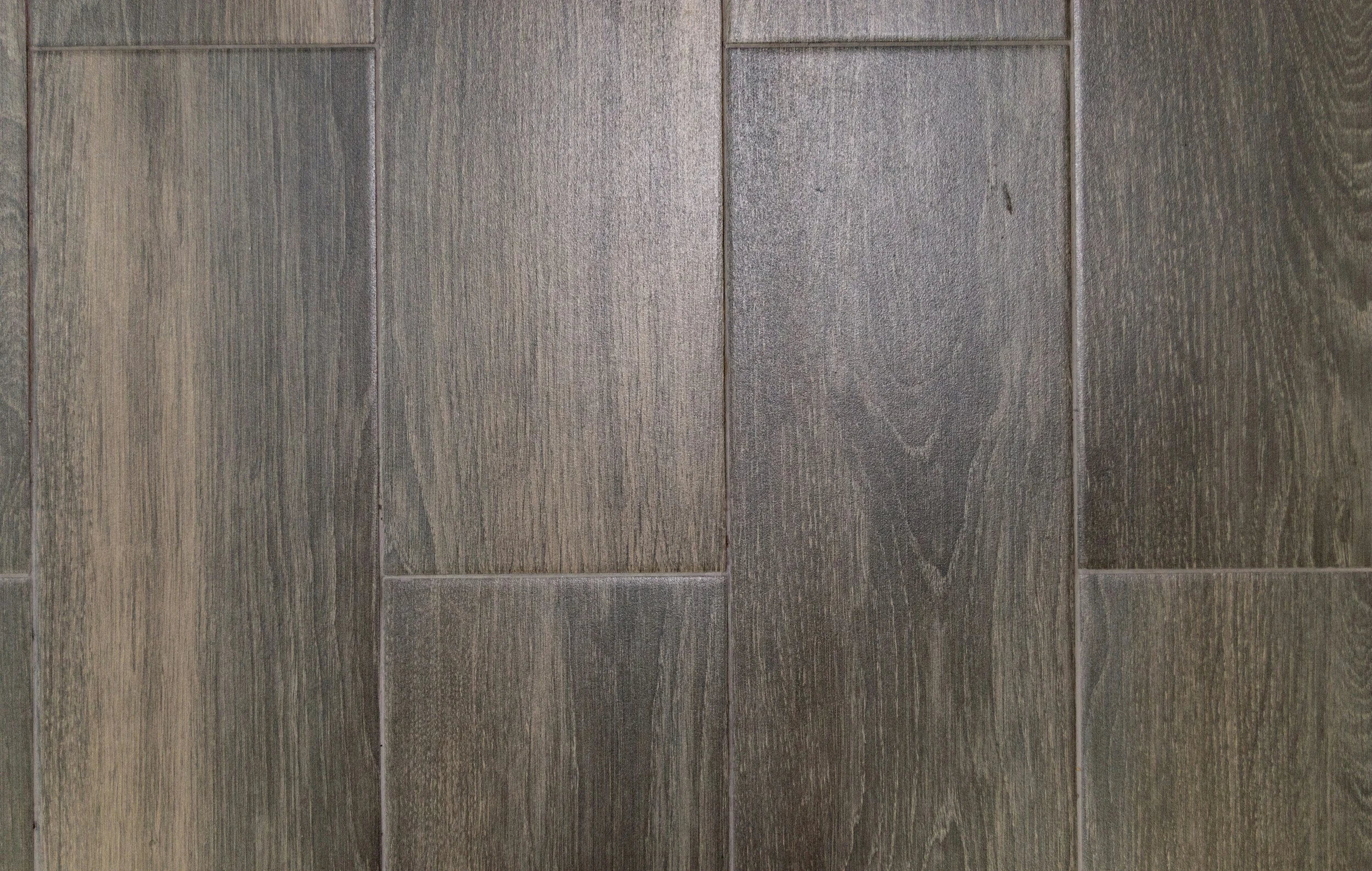
A flooring sample can tell you a lot about colour. It tells you much less about how that floor will handle wet boots, a rolling office chair or the concrete underneath your basement.
That is where choosing new flooring gets interesting.
Hardwood, luxury vinyl, laminate and tile can all look great. The right choice depends on the room, the condition of the existing floor and how you actually use the space.
Before you commit to a material—or multiply a showroom price by your square footage—here is what to consider.
Start With the Room, Not the Sample
Imagine three projects: a basement family room, a busy kitchen and an upstairs bedroom.
The basement needs a moisture assessment. The kitchen needs a surface that can handle spills and frequent cleaning. In the bedroom, comfort and noise may matter more than water resistance.
Start with these questions:
Is the floor above ground or below ground?
Are there leaks, damp patches or musty smells?
Do you have pets, children or heavy furniture?
Is quiet underfoot a priority?
Are you keeping the existing baseboards and doors?
If you live in a condo, what flooring and sound-control requirements does the building have?
These answers help narrow the options before you spend money on materials.
Hardwood, Vinyl, Laminate or Tile?
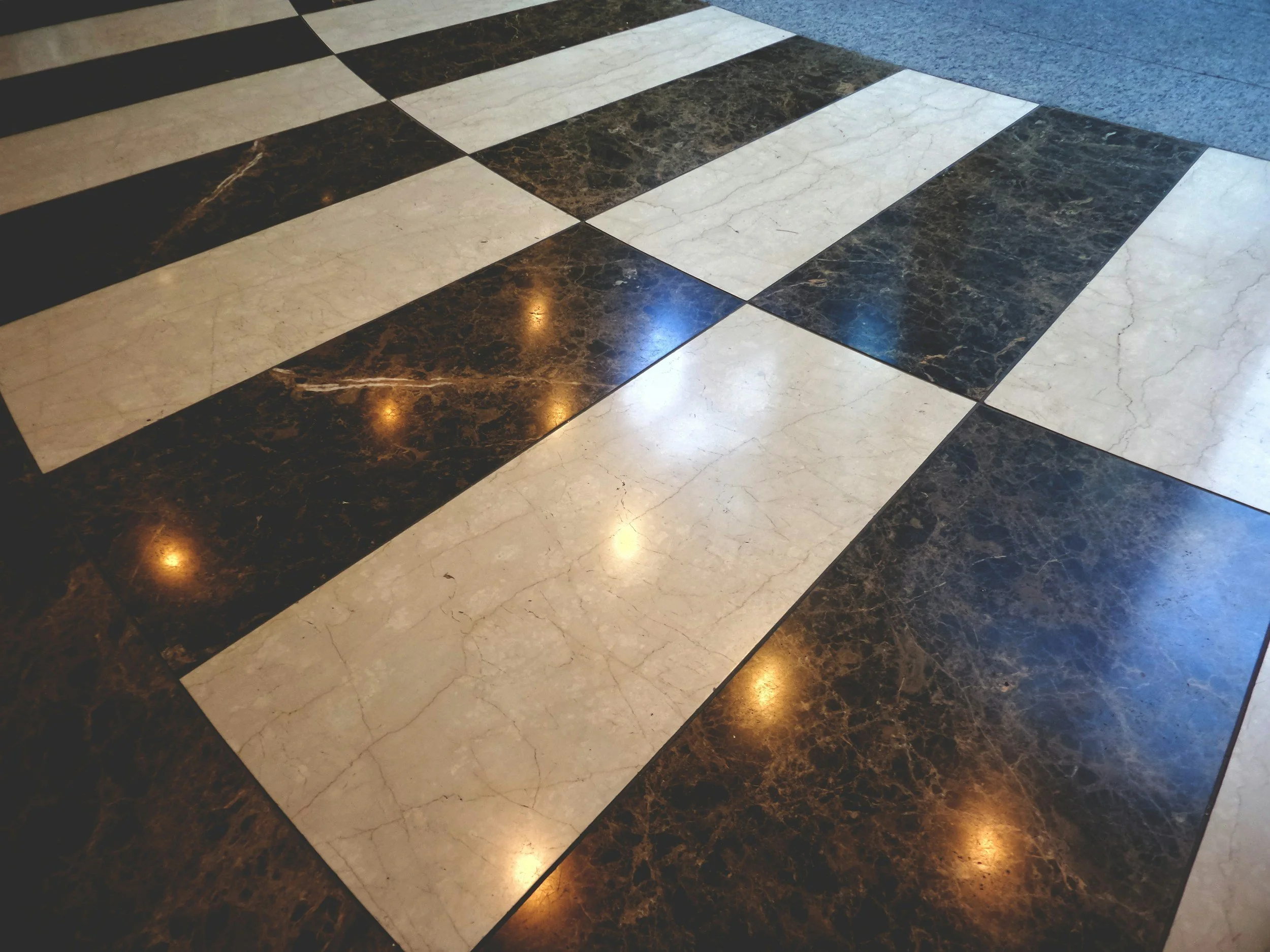
Solid hardwood: real wood with long-term appeal
Solid hardwood is a good option when you want natural character and the possibility of refinishing the floor later. Whether an existing floor can be sanded again depends on its condition and remaining usable thickness.
Wood also responds to its environment. It takes on moisture when conditions are humid and loses moisture when the air becomes dry. That makes indoor humidity control particularly relevant through Toronto’s heating season.
The National Wood Flooring Association recommends maintaining a consistent indoor environment to reduce moisture-related problems. Always follow the requirements for your particular flooring.
Worth considering for: living rooms, dining rooms and bedrooms where moisture is controlled.
Think twice if: you want a floor that needs little attention to indoor humidity or expect frequent standing water.
And before replacing old hardwood, have it assessed. A worn finish does not necessarily mean the entire floor needs to go.
Engineered hardwood: a real wood surface with a layered construction
Engineered hardwood has a real wood surface over a layered base. It offers another route to a wood floor, with installation options that vary by product.
For concrete or below-grade spaces, check that the specific product and installation method are approved. “Engineered” does not automatically mean suitable for every basement.
Also ask about the thickness of the wood surface and whether the manufacturer allows refinishing. Two products can look almost identical in a showroom while offering different options for future repairs.
Manufacturer guidance still requires suitable site conditions and moisture checks; engineered wood should not be installed over a known moisture problem.
Luxury vinyl plank: practical, but preparation still matters
Luxury vinyl plank—often called LVP—is worth considering for busy households and spaces where spills are likely. Products come with different cores, surface finishes, locking systems and installation requirements.
The important distinction is this: a waterproof plank does not waterproof your basement.
Moisture can still become trapped underneath flooring. COREtec’s installation guidance specifically warns that excessive subfloor moisture can contribute to mould, mildew and other problems, even with waterproof flooring.
Before vinyl flooring installation, check the base for moisture, movement and uneven areas. A convenient click system does not remove the need for preparation.
Worth considering for: kitchens, entrances and properly prepared basement spaces, subject to the product’s approval.
Laminate: a useful option when budget matters
Laminate can provide a wood-look finish at a lower cost than traditional hardwood. Its surface can offer good resistance to everyday scratches and wear, making it worth comparing for family rooms and bedrooms.
Water performance varies by product. Read the actual warranty and installation instructions instead of relying on the word “waterproof” on a display.
A flat, stable base matters here too. Uneven areas can put stress on the locking system and contribute to gaps or poor performance.
Tile: worth considering for wet areas
Porcelain and ceramic tile offer another option for kitchens, bathrooms and entrances. They can also be paired with compatible underfloor heating systems.
Tile and heating need to be planned together: the substrate, installation materials and heating system must form a suitable assembly. Manufacturers such as LATICRETE offer systems specifically designed for this purpose.
For a bathroom, remember that the visible tile is only part of the project. Ask how the areas requiring waterproofing will be handled.
Carpet: keep comfort in the conversation
If you want a soft surface in a bedroom or a quieter-feeling room, carpet is still worth comparing.
Ask about the complete installed system, including the cushion, seams, transitions and cleaning requirements. Compare physical samples rather than choosing from a photo alone.
How Much Does Flooring Installation Cost in Toronto?
The first question to ask about any price is: does it include the flooring, installation, or both?
Published Toronto planning ranges put standard supply-and-install projects approximately in these bands:
Approximate material + installation cost:
Laminate CAD $5–$10 per sq. ft.
Vinyl CAD $5.50–$11 per sq. ft.
Hardwood CAD $10–$20 per sq. ft.
Carpet CAD $4.50–$9 per sq. ft.
Tile CAD $13–$28 per sq. ft.
These rounded figures are market references, not DF Development Group quotations. They are before tax and exclude separately priced work such as removal, significant levelling, stairs and trim. Premium products and complex layouts can exceed them.
Planning a Flooring Upgrade?
Whether you’re considering hardwood, vinyl, laminate or tile, we can help you plan your flooring installation.
Tell us about your space and request a free estimate for your project in Toronto or the GTA.
What does that mean for a 500-square-foot room?
Using the vinyl range above, a basic material-and-installation allowance would be around CAD $2,750–$5,500.
That is a starting point, not the final project total.
If existing flooring needs removing, the base needs repair or several doorways need new transitions, those items need to be added. The Home Depot’s Toronto installation guidance also identifies removal, subfloor work, stairs, trim and access as factors affecting the quote.
A useful written estimate separates:
Flooring material and the allowance for cuts.
Installation labour and installation method.
Removal and disposal.
Subfloor repairs or preparation.
Required underlay, adhesive or moisture-control materials.
Transitions, baseboards and door adjustments.
Furniture moving, access arrangements and taxes.
Two quotes are only comparable when they cover the same work.
Common Flooring Mistakes That Cost More Later
1. Buying everything before checking the subfloor
A good-looking surface can hide problems underneath.
Have the base assessed before committing to the final material and installation method. Otherwise, your budget may already be spent when preparation work becomes necessary.
2. Assuming a thicker underlay is always better
Extra cushioning can sound attractive, but it must be compatible with the flooring system. Follow the product’s requirements rather than adding another layer simply because it feels softer.
3. Treating acclimation as a fixed number of days
There is no single waiting period that applies to every floor. Some products require acclimation; others specify climate-controlled installation conditions without a separate acclimation period.
For example, COREtec lists products that do not require acclimation while still requiring appropriate indoor conditions and subfloor checks. Follow the instructions for the exact collection you buy.
4. Forgetting the edges of the project
The centre of the room is only part of the installation.
Check what happens at stairs, exterior doors, kitchen appliances and adjoining floors. Decide how baseboards and transitions will be finished before installation starts.
5. Choosing a colour under showroom lighting
Take samples home. Look at them beside your cabinets and wall colours in daylight and in the evening.
Try placing several samples together rather than judging one small piece. You may notice a tone or pattern repetition that was not obvious in the shop.
6. Assuming waterproof means maintenance-free
Water resistance does not remove the need to clean spills, investigate leaks or follow care instructions. Address the source of moisture instead of covering the evidence with new flooring.
What About New Flooring Technology?
One development worth watching is the expansion of non-PVC resilient flooring.
In April 2024, Tarkett announced Collective Pursuit, a non-PVC plank-and-tile collection for commercial applications. It is an example of manufacturers developing alternatives to conventional vinyl—not a claim that the product is suitable or available for every Toronto home.
For homeowners, the useful questions are practical:
Is the product available locally?
Is it approved for residential use and for this room?
What does its warranty actually cover?
What installation system does it require?
What evidence supports its environmental or performance claims?
A newer material can be worth exploring. It still needs to suit your home, your installer and your budget.
Questions to Ask Before Booking Flooring Installation
-
Sometimes. The existing surface must meet the new product’s requirements. Its condition, moisture, stability and the resulting floor height all need checking.
-
Start with the basement’s moisture conditions. Vinyl may be an option, while some engineered wood products allow below-grade installation. Neither is a substitute for resolving leaks or dampness.
-
Ask for a schedule covering preparation, installation and when the room can be used again. Room size alone does not tell the full story: demolition, repairs, adhesives and furniture moving can affect the programme.
-
Choose a quote you can understand. A lower price may cover less work, while a higher one may include preparation and finishing that another contractor has left out.
Planning New Floors in Toronto or the GTA?
You do not need to have every material decision made before asking for an estimate.
Start with the rooms you want to update, approximate square footage, photos of the existing floor and any concerns about moisture or uneven areas.
Contact DF Development Group to discuss your flooring installation project and request a free estimate. Include the type of flooring you are considering—or tell us what you need the room to handle if you are still deciding.